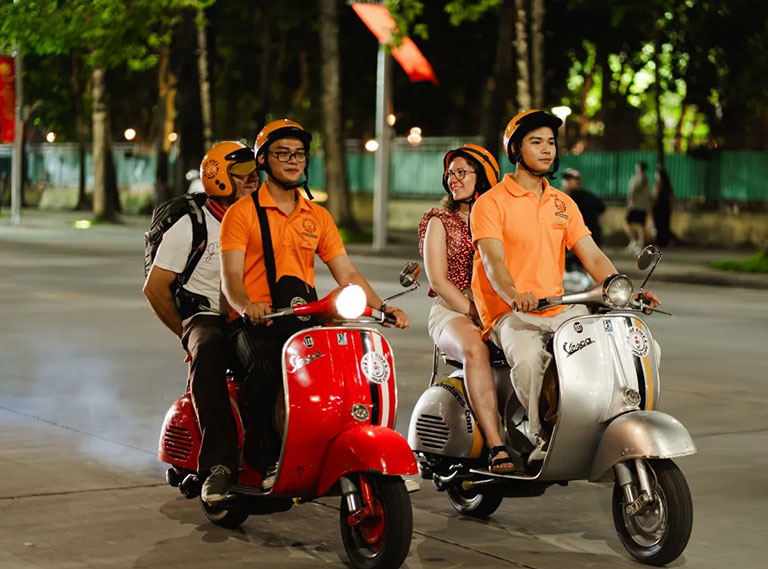
Hanoi Back Street Tour: Explore Hanoi After Dark

Hanoi Back Street Tour: A Local Food and Culture Journey After Dark

When the sun goes down, Hanoi changes.

The traffic becomes busier, small food stalls fill the sidewalks, cafés light up inside old buildings, and narrow streets begin to reveal a different side of Vietnam’s capital.

For travelers who want something beyond traditional sightseeing, a Hanoi Back Street Tour after dark offers an opportunity to explore the city through its food, neighborhoods, local traditions, and everyday nightlife.

Instead of moving from one famous attraction to another, this type of experience focuses on what happens between the landmarks—the small streets, family-run eateries, hidden cafés, local markets, and lively corners that make Hanoi feel distinctly Vietnamese.

Why Explore Hanoi After Dark?

Hanoi is not a city that disappears when night arrives.

In many neighborhoods, evening is when local life becomes even more visible. Restaurants become busy, street vendors prepare food, friends meet for coffee, and families gather around small tables.

For visitors, nighttime provides a different perspective on the city.

The architecture may look familiar during the day, but the atmosphere changes completely after sunset.

This is one reason an evening Hanoi Back Street Tour can complement a daytime sightseeing itinerary.

Start with Hanoi’s Local Streets

A back street experience does not need to begin with a major landmark.

Instead, the journey can start in one of Hanoi’s older neighborhoods, where narrow lanes connect residential buildings, small businesses, cafés, and local restaurants.

Walking through these streets gives travelers a closer look at everyday urban life.

You may notice:

  • Small family businesses
  • Traditional houses beside modern buildings
  • Street vendors preparing dinner
  • Local cafés hidden behind narrow entrances
  • Motorbikes moving through residential lanes
  • Small temples and neighborhood shrines
  • Residents gathering outside in the evening

These details are easy to miss when following a conventional sightseeing route.

Discover Hanoi Through Street Food

Food is one of the strongest reasons to explore Hanoi’s back streets.

Instead of visiting only restaurants designed for international tourists, travelers can discover the small places where locals regularly stop for a quick meal or snack.

Depending on the route, a food-focused Hanoi Back Street Tour may include several different dishes.

Pho

Pho is one of Vietnam’s most internationally recognized dishes, but eating it in Hanoi provides a different experience.

A bowl of pho can be enjoyed at almost any time of day, although evening food tours often introduce travelers to local restaurants that remain active after sunset.

Bun Cha

Bun cha combines grilled pork, rice noodles, herbs, and a flavorful dipping broth.

The dish is strongly associated with Hanoi and is particularly interesting for visitors who want to explore northern Vietnamese cuisine.

Banh Cuon

Thin steamed rice rolls filled with savory ingredients are another local favorite.

They are often served with herbs, dipping sauce, and other accompaniments.

Because the dish is prepared fresh, watching the cooking process can be part of the experience.

Vietnamese Coffee

Hanoi’s coffee culture deserves attention of its own.

Small cafés can be found throughout the city’s older neighborhoods, sometimes hidden behind narrow entrances or upstairs in historic buildings.

Depending on the season and location, travelers can try traditional Vietnamese coffee, iced coffee, or the famous Hanoi-style egg coffee.

The Hidden Café Experience

One of the most interesting parts of exploring Hanoi’s back streets is discovering cafés that are easy to overlook.

Some are located behind small doors, inside old houses, or above street-level shops.

From the outside, they may appear almost invisible.

Inside, however, they can offer quiet spaces overlooking busy streets or small courtyards hidden from the traffic below.

A coffee stop during a Hanoi Back Street Tour creates a useful contrast to the city’s busy streets.

It also gives travelers time to observe Hanoi rather than simply move through it.

Hanoi’s Nighttime Street Culture

Hanoi’s street culture is closely connected to public spaces.

After dark, sidewalks can become informal meeting places where people eat, drink coffee, chat, or simply watch the traffic.

For visitors, this can feel very different from nightlife in large Western cities.

There is not necessarily a single entertainment district.

Instead, activity is spread across streets, food stalls, cafés, small restaurants, and neighborhood gathering points.

A local guide can help explain the unwritten habits behind this street culture and show visitors places they might otherwise walk past.

A Different Side of the Old Quarter

Hanoi’s Old Quarter is one of the city’s best-known areas, but there is more to it than the busiest streets.

Moving into smaller lanes reveals a mixture of old and new Hanoi.

Historic architecture may sit next to modern cafés. A small family shop may operate beside a contemporary restaurant. Residential buildings can be only a few steps away from busy commercial streets.

This contrast is part of what makes Hanoi fascinating.

A Hanoi Back Street Tour is therefore less about checking attractions off a list and more about understanding how different layers of the city exist together.

Beyond the Tourist Route

A common mistake when visiting Hanoi is to spend the entire trip moving between famous attractions.

The Temple of Literature, Ho Chi Minh complex, Hoan Kiem Lake, and Old Quarter are all important parts of the city.

However, they do not necessarily show what ordinary life looks like.

Back streets provide a different perspective.

Instead of asking, “What is Hanoi’s most famous attraction?” the experience asks:

“What does Hanoi look like when you see it through the eyes of people who live here?”

That change in perspective is what makes this type of tour distinctive.

What a Typical Evening Could Look Like

A flexible evening itinerary might follow a route such as:

Local neighborhood → hidden street → traditional food stop → market or residential lane → local café → nighttime street exploration

The exact route can change according to weather, traffic, local events, and the interests of the travelers.

Food lovers may want more time at restaurants.

Photography enthusiasts may prefer quieter streets and historic architecture.

Travelers interested in Vietnamese culture may want more interaction with local communities and explanations from their guide.

This flexibility is one of the advantages of a locally focused tour.

Hanoi Back Street Tour for Photographers

Hanoi is particularly interesting for street photography.

The city offers a mixture of:

  • Narrow streets
  • Old architecture
  • Street food
  • Neon signs
  • Motorbikes
  • Traditional shops
  • Markets
  • Cafés
  • Local portraits
  • Contrasting modern and historic buildings

Evening light can create a completely different atmosphere from daytime photography.

However, travelers should always ask permission before taking close-up photographs of local residents, particularly inside homes or private businesses.

Hanoi Back Street Tour for Food Lovers

For travelers primarily interested in food, the back streets can be more valuable than a standard sightseeing route.

A food-focused itinerary can introduce visitors to dishes that may not appear on conventional restaurant menus.

It also provides context.

Rather than simply eating a dish, travelers can learn:

  • Where the dish originated
  • How it is traditionally prepared
  • How locals normally eat it
  • Which ingredients are commonly used
  • How northern Vietnamese cuisine differs from other regions

This makes the experience both culinary and cultural.

What Makes the Experience Different?

The key difference is not simply the places visited.

It is the way Hanoi is experienced.

A traditional city tour often explains what happened in Hanoi’s most important historical locations.

A back street experience focuses more on how the city functions today.

You see people going to dinner.

You see small businesses closing for the night.

You see friends meeting for coffee.

You hear the sounds of traffic moving through narrow streets.

You smell food being prepared at roadside stalls.

These ordinary details create a much more personal impression of Hanoi.

Is an Evening Back Street Tour Worth Adding to a Hanoi Trip?

For travelers who have already visited Hanoi’s main attractions—or simply want to experience a different side of the city—an evening back street tour can fit naturally into a Vietnam itinerary.

It does not need to replace traditional sightseeing.

Instead, it can fill the gap between the major attractions and everyday local life.

A typical Hanoi itinerary might include historical sites during the day and a Hanoi Back Street Tour in the evening.

This combination provides two different perspectives on the same city.

How to Make the Most of Your Tour

Keep your schedule relatively flexible.

The best back street experiences often involve unexpected discoveries—a small food stall, a quiet lane, a local café, or an interesting conversation with a guide.

Wear comfortable clothing and shoes, bring a small amount of cash, and keep your camera or phone accessible.

Most importantly, remain curious.

A back street tour is not about seeing everything.

It is about noticing things that you might normally overlook.

Frequently Asked Questions
What is a Hanoi Back Street Tour?

It is a local-focused tour that explores smaller streets, residential neighborhoods, food stalls, cafés, markets, and cultural areas away from Hanoi’s main tourist routes.

Can I take a Hanoi Back Street Tour at night?

Yes. Evening tours can be particularly interesting because local food stalls, cafés, restaurants, and neighborhood streets become more active after sunset.

Is the tour suitable for couples?

Yes. An evening route combining local food, hidden streets, and cafés can be a relaxed way for couples to experience Hanoi together.

Is it suitable for families?

It can be, although families with young children should choose an itinerary appropriate for their children’s walking ability and comfort with Hanoi’s busy traffic.

Can I combine a back street tour with street food?

Yes. Food is one of the most natural elements to include in a back street experience, particularly in the evening.

Should I book a private or group tour?

A private tour generally offers greater flexibility to adjust the route around personal interests, while a group tour can provide a more social experience. The better option depends on your travel style and itinerary.

Experience Hanoi Beyond the Famous Attractions

Hanoi’s identity is not contained within its famous landmarks.

It lives in the narrow lanes behind them.

It can be found in a bowl of noodles served at a small restaurant, a cup of coffee inside an old building, the sound of motorbikes passing through a residential alley, or a conversation with a local guide.

That is why a Hanoi Back Street Tour can add something different to a Vietnam trip.

Rather than simply seeing Hanoi, travelers have the opportunity to experience its food, streets, culture, and everyday rhythm from a more local perspective.
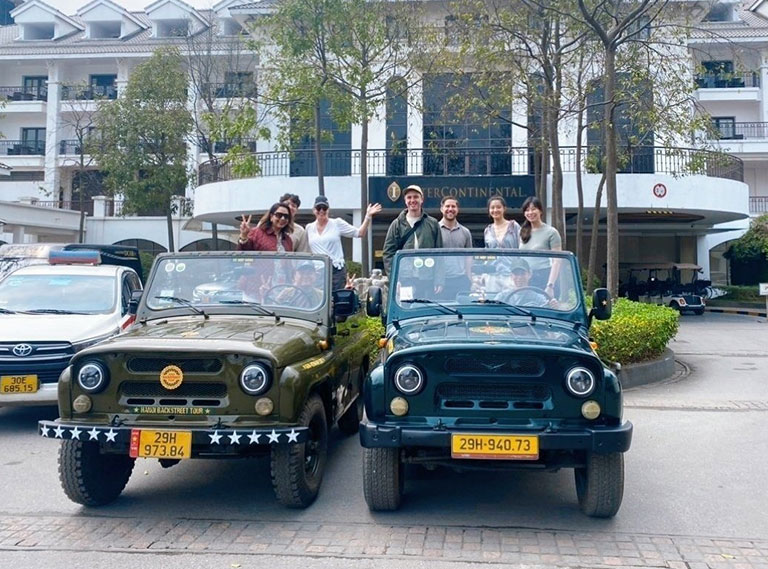
Hanoi Back Street Tour – Discover Hidden Hanoi Like a Local

Hanoi Back Street Tour: Discover the Hidden Side of Hanoi Like a Local

Hanoi is a city where ancient traditions, vibrant street life, hidden alleyways, and modern Vietnamese culture exist side by side. While famous attractions such as Hoan Kiem Lake, the Temple of Literature, and Hanoi Old Quarter are essential stops for first-time visitors, some of the city’s most memorable experiences can be found away from the main tourist streets.

A Hanoi Back Street Tour offers travelers the opportunity to explore a different side of Vietnam’s capital—one filled with narrow lanes, local markets, family-run eateries, historic neighborhoods, and everyday moments that are rarely seen on conventional sightseeing tours.

If you want to experience Hanoi beyond the typical tourist itinerary, exploring the city’s back streets is an excellent way to discover its authentic character.

What Is a Hanoi Back Street Tour?

A Hanoi Back Street Tour is a local-style sightseeing experience designed to take visitors away from Hanoi’s busiest tourist areas and into lesser-known streets and neighborhoods.

Instead of simply visiting famous landmarks, travelers can explore small alleys, traditional markets, residential areas, local cafés, street food stalls, and historic corners of the city.

Depending on the tour, transportation may include a motorbike, bicycle, walking route, or private vehicle. Many experiences are led by local guides who can introduce visitors to Hanoi’s history, culture, food, and daily lifestyle.

The main attraction is not just the places you visit, but the opportunity to see how local people actually live in Hanoi.

Why Take a Hanoi Back Street Tour?

1. Discover the Authentic Side of Hanoi

The main tourist attractions provide an important introduction to Hanoi, but the city’s back streets reveal a much more personal side of Vietnamese life.

You may see residents enjoying morning coffee, families preparing food, traditional shops operating in small houses, street vendors selling fresh ingredients, and children playing in neighborhood alleys.

These simple moments can provide a deeper understanding of Hanoi than simply checking landmarks off a sightseeing list.

2. Explore Hidden Streets and Local Neighborhoods

Hanoi is famous for its Old Quarter, but even experienced travelers can discover something new by venturing into its smaller streets and alleyways.

A Hanoi Back Street Tour can take you through areas that are often overlooked by visitors. Narrow lanes may suddenly open into local markets, quiet courtyards, historic houses, or lively food streets.

The contrast between peaceful residential alleys and busy main roads is one of the most fascinating aspects of exploring Hanoi.

3. Experience Hanoi Street Food

Food is an essential part of Vietnamese culture, and Hanoi is one of the best places in Vietnam to experience authentic street food.

A back street tour may introduce you to local specialties such as:

  • Pho Hanoi
  • Bun cha
  • Banh mi
  • Banh cuon
  • Xoi
  • Bun thang
  • Vietnamese egg coffee
  • Fresh tropical fruits
  • Local desserts and snacks

Instead of eating exclusively at restaurants designed for tourists, you may have the chance to visit small family-run food stalls where locals eat every day.

For food lovers, combining a Hanoi Back Street Tour with a Hanoi street food experience can be one of the highlights of a Vietnam holiday.

Hanoi Back Street Tour by Motorbike

One of the most popular ways to explore Hanoi’s hidden streets is by motorbike.

Hanoi’s streets can be difficult to navigate independently, especially for first-time visitors. Riding with a local driver allows travelers to experience the city’s traffic and neighborhoods without having to worry about navigation.

A motorbike tour can also reach smaller streets and residential areas that may be difficult to access by larger vehicles.

From the back of a motorbike, you can observe Hanoi at street level—passing traditional houses, markets, cafés, schools, workshops, and local neighborhoods.

For adventurous travelers, a Hanoi Back Street Tour by motorbike offers an exciting combination of sightseeing, culture, food, and local interaction.

Hanoi Old Quarter and the Back Streets

Hanoi’s Old Quarter is one of the city’s most famous areas, known for its historic architecture, narrow streets, traditional shops, and lively atmosphere.

However, exploring beyond the busiest tourist routes can reveal another layer of the Old Quarter.

Small lanes and side streets often contain independent cafés, local food stalls, traditional businesses, old houses, and hidden architectural details.

A good Hanoi Back Street Tour should therefore complement—not simply repeat—the classic Old Quarter sightseeing experience.

Meet Local People and Experience Everyday Life

One of the biggest advantages of exploring Hanoi’s back streets is the opportunity to observe everyday Vietnamese life.

Travelers may encounter:

  • Local market sellers
  • Street food vendors
  • Traditional craftsmen
  • Coffee shop owners
  • Small family businesses
  • Residents exercising in neighborhood parks
  • Families living in traditional houses

These encounters can make a trip feel more personal and authentic.

Rather than simply looking at Hanoi from the perspective of a tourist, you get a glimpse into the city’s daily rhythm.

Best Time to Take a Hanoi Back Street Tour

Hanoi can be explored throughout the year, but the best time for a back street tour depends on the type of experience you prefer.

Morning Tours

Morning is ideal for travelers who want to experience local markets, breakfast culture, and the beginning of the city’s daily routine.

You can see vendors setting up their stalls, locals having breakfast, and Hanoi gradually becoming busier.

Afternoon Tours

Afternoon tours provide a different atmosphere, with cafés, markets, shops, and residential streets becoming increasingly active.

This can be a good option for travelers who prefer a more relaxed start to the day.

Evening Tours

For many visitors, evening is one of the most exciting times to explore Hanoi.

The streets become filled with food stalls, illuminated cafés, local restaurants, and people enjoying the city’s nightlife.

A Hanoi Back Street Tour at night can be especially appealing to travelers interested in Vietnamese street food and local culture.

What to Expect on a Hanoi Back Street Tour

Every tour is different, but a typical experience may include several elements:

Local transportation: Travel through Hanoi by motorbike, bicycle, or on foot.

Hidden neighborhoods: Explore narrow lanes and areas away from the main tourist attractions.

Street food: Taste authentic Vietnamese dishes at local food stalls.

Cultural experiences: Learn about Hanoi’s history, traditions, and lifestyle.

Local guide: Discover stories and places that may not be obvious to independent travelers.

Photography opportunities: Capture authentic scenes of Hanoi’s streets and everyday life.

The experience is generally more immersive than a conventional sightseeing tour.

Is a Hanoi Back Street Tour Suitable for First-Time Visitors?

Absolutely.

In fact, first-time visitors can benefit significantly from taking a back street tour because it provides context for understanding Hanoi’s unique urban culture.

After visiting the city’s major attractions, exploring local neighborhoods can help travelers understand how historical landmarks connect with modern Vietnamese life.

However, it is also an excellent option for repeat visitors who have already seen the major attractions and want to discover something new.

Tips for Enjoying Your Hanoi Back Street Tour

To get the most from your experience, keep these tips in mind:

Dress Comfortably

Hanoi’s streets can be busy and walking routes may involve uneven surfaces. Comfortable clothing and shoes are recommended.

Bring a Small Bag

Avoid carrying large luggage during the tour. A small backpack is usually sufficient for essentials, water, and personal belongings.

Stay Hydrated

Vietnam’s climate can be warm and humid, particularly during the summer months. Carry water and take breaks when necessary.

Be Respectful

Remember that many back streets are residential neighborhoods. Avoid entering private properties or photographing people without permission.

Be Open to Trying Local Food

Some of the best discoveries on a Hanoi Back Street Tour may come from small food stalls that you would never notice on your own.

Being willing to try new dishes is part of the experience.

Hanoi Back Street Tour vs. Traditional Hanoi City Tour

A traditional city tour typically focuses on major landmarks and historical attractions.

A back street tour takes a different approach.

Neither option is necessarily better. They simply offer different perspectives.

For travelers with enough time, combining both experiences can provide a more complete understanding of Hanoi.

How to Combine a Hanoi Back Street Tour with Your Vietnam Itinerary

Hanoi is often the starting point for journeys to some of northern Vietnam’s most spectacular destinations.

After exploring the capital, many travelers continue to Halong Bay, Lan Ha Bay, Ninh Binh, or Sapa.

A Hanoi itinerary could look like:

Day 1: Arrive in Hanoi and explore Hoan Kiem Lake and the Old Quarter.

Day 2: Take a Hanoi Back Street Tour and discover local neighborhoods, street food, and hidden corners.

Day 3: Travel from Hanoi to Halong Bay or Lan Ha Bay for an overnight cruise.

Day 4: Continue your northern Vietnam journey or return to Hanoi.

This combination allows travelers to experience both the cultural energy of Hanoi and the natural beauty of northern Vietnam.

Why a Hanoi Back Street Tour Is Worth It

The beauty of Hanoi is not limited to its famous landmarks.

It can be found in the sound of a motorbike passing through a narrow alley, the aroma of pho drifting from a small restaurant, a traditional coffee shop hidden behind an old doorway, or a local market coming alive early in the morning.

A Hanoi Back Street Tour gives travelers the chance to slow down, look beyond the obvious attractions, and experience the city from a more authentic perspective.

For visitors who want more than photographs of famous landmarks, this type of experience can become one of the most memorable parts of a Vietnam trip.

Hanoi is a city best understood through its streets.

While the major attractions deserve a place on every itinerary, the hidden alleys, local markets, street food stalls, and residential neighborhoods reveal the everyday character that makes Vietnam’s capital so fascinating.

Whether you are a first-time visitor, a food lover, a photographer, or a returning traveler looking for something different, a Hanoi Back Street Tour offers an immersive way to discover the city like a local.

Instead of simply visiting Hanoi, take the time to experience it—one back street, local dish, and neighborhood at a time.