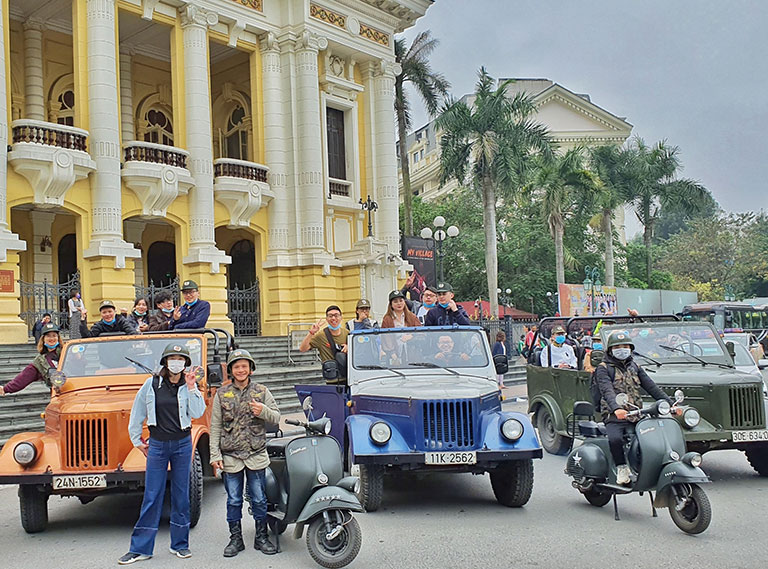
Hanoi Back Street Tour 2026: Discover the Real Hanoi Beyond the Tourist Trail

Hanoi Back Street Tour: The Trending Way to Discover the Real Hanoi in 2026

Hanoi is famous for its ancient temples, French colonial architecture, Hoan Kiem Lake, and legendary street food. But beyond the major attractions lies another side of the capital—one that is more spontaneous, local, colorful, and authentic.

That is exactly why the Hanoi Back Street Tour has become one of the most exciting ways to experience the city in 2026.

Instead of simply following the usual tourist route, a backstreet tour takes travelers into narrow alleyways, local neighborhoods, hidden food spots, traditional markets, railway-side communities, and everyday places where Hanoi residents live and work. The result is less like sightseeing and more like stepping into the daily rhythm of Vietnam’s capital.

What Is a Hanoi Back Street Tour?

A Hanoi Back Street Tour is designed to take visitors away from the conventional tourist circuit and into the less-explored parts of the city.

Rather than spending the entire day visiting famous landmarks, travelers can explore Hanoi’s hidden corners by vintage motorbike, Vespa, scooter, sidecar, or open-air Jeep. Current Hanoi Backstreet Tours offerings include food, culture, sightseeing, hidden-gem, countryside, and nightlife experiences.

The concept is simple: see Hanoi as locals experience it.

You may pass through a tiny residential alley one minute, stop at a family-run food stall the next, and then find yourself beside railway tracks, in a traditional market, or overlooking a completely different side of the city.

It is this combination of movement, food, culture, history, and real-life encounters that makes a Hanoi Back Street Tour so memorable.

Why Hanoi Back Street Tours Are Trending in 2026

Travelers in 2026 are increasingly looking for experiences rather than simply checking attractions off a list.

A backstreet tour fits perfectly into this new style of travel.

1. You See the Hanoi Tourists Often Miss

The Old Quarter is fascinating, but Hanoi does not end at its famous streets.

Behind the main roads is a maze of small lanes where people eat breakfast, repair motorbikes, run tiny family businesses, socialize with neighbors, and carry on with ordinary life.

Exploring these areas gives visitors a much stronger sense of how Hanoi actually works.

Hanoi Backstreet Tours describes its philosophy as getting travelers away from the beaten path and into ordinary places such as backstreet cafés, eateries, homes, schools, temples, churches, and farms.

2. Street Food Becomes Part of the Journey

Hanoi is one of Asia’s great street-food destinations, and food is an essential part of the backstreet experience.

Instead of eating only in restaurants recommended by guidebooks, travelers can discover local-style dishes in small eateries and family-run establishments.

Depending on the itinerary, you may encounter:

  • Pho
  • Bun Cha
  • Banh Cuon
  • Vietnamese spring rolls
  • Banh Mi
  • Fresh herbs and local snacks
  • Vietnamese coffee
  • Egg coffee
  • Seasonal street food

Some Hanoi night tours combine backstreet exploration with street food, train-street experiences, and local nightlife.

The best part is not simply tasting the food. It is seeing where and how locals enjoy it.

3. Explore Hanoi by Motorbike or Vintage Vehicle

Hanoi’s traffic can look chaotic to first-time visitors, but riding through the city provides an entirely different perspective.

A professional local driver allows travelers to sit back and observe the changing scenery while moving through narrow streets and neighborhoods.

Depending on the tour, transportation can include vintage Minsk motorcycles, Vespa-style scooters, sidecars, or open-air Army Jeeps.

The vehicle itself becomes part of the experience.

For many international travelers, riding through Hanoi on a vintage motorbike or open-air Jeep is one of the most memorable photo opportunities of their Vietnam trip.

4. Discover Hanoi’s Hidden Food Streets

Some of Hanoi’s best food experiences are found far from polished tourist restaurants.

A backstreet tour can take you into small streets where local vendors specialize in one or two dishes and have served neighborhood customers for years.

This creates a completely different atmosphere from a conventional restaurant.

You might sit on a tiny plastic stool, watch food being prepared directly in front of you, and enjoy a bowl of noodles while motorbikes pass only a few meters away.

That is not simply dinner.

That is Hanoi.

5. Experience Hanoi Train Street Beyond the Photos

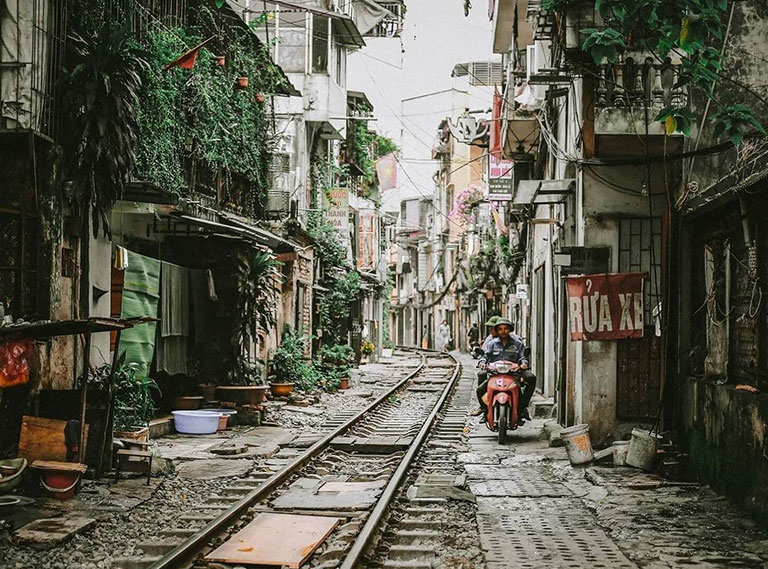
Hanoi’s railway neighborhoods have become internationally famous because of the railway tracks running through densely populated areas.

However, the most valuable part of visiting the railway area is not simply taking a photograph when a train passes.

It is understanding the communities that have developed around the tracks.

Some backstreet itineraries combine railway-area exploration with local cafés and egg coffee, creating an opportunity to experience the atmosphere rather than simply making a quick photo stop.

Travelers should always follow current local safety instructions and restrictions around railway areas.

6. Meet the People Behind Hanoi

A great backstreet tour is ultimately about people.

You may meet a street-food vendor preparing the same dish every morning, a small-business owner working in a narrow shop, a local family, or residents going about their daily routine.

These encounters provide something that traditional sightseeing often cannot: human context.

The experience becomes more personal when a local guide explains what you are seeing, why a neighborhood looks the way it does, and how Hanoi has changed over the years.

A traditional city tour is ideal for first-time visitors who want to understand Hanoi’s major landmarks.

A backstreet tour is particularly appealing to travelers who have already seen the highlights—or simply want to experience something more authentic from the beginning.

The Best Time to Take a Hanoi Back Street Tour

There is no single perfect time for everyone.

Morning

Morning tours reveal a quieter side of Hanoi.

You can see local markets opening, residents exercising, street vendors preparing breakfast, and the city gradually coming alive.

Early-morning experiences can even combine sunrise views, local markets, and hidden neighborhoods.

Afternoon

An afternoon tour is a good option for travelers who want to combine sightseeing with local neighborhoods and cultural experiences.

It can also be more comfortable for visitors who prefer not to wake up early.

Sunset and Night

For many travelers, Hanoi at night is the most exciting option.

The streets become livelier, food stalls fill with customers, cafés come alive, and the city develops a completely different atmosphere.

Current Hanoi Backstreet Tours listings include sunset and nightlife departures, as well as dedicated evening food tours.

How Long Should a Hanoi Back Street Tour Be?

A half-day tour is usually enough for travelers who want a concentrated introduction to Hanoi’s hidden side.

Current tour options range from approximately 2.5-hour experiences to around four or 4.5-hour food and sightseeing journeys, while full-day options can combine Hanoi’s urban neighborhoods with the countryside.

For a first visit, a 3–4.5 hour experience can be an excellent balance between exploration and free time.

Is a Hanoi Back Street Tour Worth It?

Absolutely—especially if you want more than photographs of famous landmarks.

The real attraction of Hanoi is not only Hoan Kiem Lake, the Old Quarter, or its historic monuments.

It is the contrast between old and new.

It is the tiny alley beside a busy boulevard.

It is the elderly man drinking tea outside his home.

It is the smell of grilled pork drifting through a residential lane.

It is the sound of motorbikes moving through the streets.

It is a steaming bowl of noodles eaten on a tiny plastic stool.

And it is the feeling that, for a few hours, you are not simply visiting Hanoi—you are experiencing it.

What to Expect on Your First Hanoi Back Street Tour

If this is your first experience, expect the unexpected.

You may discover streets that do not appear on conventional tourist maps. You may taste dishes you have never heard of. You may see homes, workshops, markets, cafés, railway communities, and neighborhoods that reveal another layer of Hanoi.

Most importantly, keep an open mind.

A backstreet tour is not about finding a perfectly polished version of Vietnam.

It is about seeing the city as it really is—busy, imperfect, energetic, historic, friendly, and constantly changing.

The Hanoi Back Street Tour is more than another sightseeing activity. It represents a different way of traveling through Vietnam’s capital.

Instead of simply asking, “What are the famous places to see in Hanoi?”, ask a more interesting question:

“Where do local people actually live, eat, work, relax, and spend their day?”

That question leads you away from the obvious attractions and toward the hidden Hanoi.

And in 2026, for travelers searching for authentic experiences, local food, cultural connection, and unforgettable memories, exploring Hanoi’s backstreets may be one of the best ways to discover the real character of Vietnam’s capital.
Hanoi Back Street Tour: Discover Hidden Hanoi in 2026

Hanoi Back Street Tour: A Different Way to Explore Hanoi

Hanoi is famous for its Old Quarter, historic temples, French colonial architecture, and legendary street food. But beyond the well-known attractions lies another side of the capital that many visitors never experience.

A Hanoi Back Street Tour offers the opportunity to explore this less-touristy side of the city. Instead of following only the traditional sightseeing route, travelers can venture into narrow residential lanes, local markets, hidden neighborhoods, small food stalls, and everyday communities where Hanoi life continues at its own pace.

For travelers looking for an authentic Vietnam experience, exploring Hanoi’s back streets can be one of the most memorable things to do in the capital.

What Is a Hanoi Back Street Tour?

A Hanoi Back Street Tour is designed to take travelers away from the city’s busiest tourist areas and into neighborhoods where locals live, work, eat, and socialize.

Depending on the itinerary, a back street tour may include:

  • Exploring narrow residential alleys
  • Visiting traditional local markets
  • Discovering hidden cafés and food stalls
  • Sampling authentic Vietnamese street food
  • Seeing traditional houses and local architecture
  • Visiting lesser-known temples and cultural sites
  • Meeting local residents
  • Exploring areas outside the main tourist routes
  • Learning about Hanoi’s history and daily lifestyle

The main attraction is not a single monument. Instead, it is the experience of seeing real Hanoi beyond the postcard images.

Why Choose a Hanoi Back Street Tour?

1. Experience Authentic Local Life

One of the biggest advantages of a Hanoi Back Street Tour is the opportunity to observe everyday life.

In the narrow lanes of Hanoi, you may see residents preparing breakfast, children heading to school, vendors selling fresh produce, elderly locals drinking tea, or families gathering outside their homes.

These simple moments provide a much deeper understanding of Hanoi than visiting attractions alone.

2. Discover Hidden Streets and Neighborhoods

Hanoi’s urban landscape is full of small streets and alleys that are easy to overlook.

Some lanes are only wide enough for motorbikes and pedestrians. Others open into small courtyards, local markets, cafés, or residential communities.

A knowledgeable local guide can help travelers navigate these areas while explaining the history and culture behind them.

3. Taste Hanoi’s Street Food

Food is an essential part of any Hanoi experience.

A back street tour can introduce visitors to local dishes that may not always appear on conventional tourist menus.

Popular choices include:

  • Pho
  • Bun cha
  • Banh cuon
  • Banh mi
  • Xoi
  • Nem
  • Egg coffee
  • Vietnamese iced coffee
  • Fresh seasonal fruit

Rather than simply eating at a restaurant, travelers can experience the atmosphere of small neighborhood eateries and street-side food stalls.

Hanoi Back Streets and the Old Quarter

The Old Quarter remains one of the most popular areas for first-time visitors to Hanoi. Its narrow streets, historic architecture, traditional shops, and lively atmosphere make it an essential stop.

However, exploring Hanoi back streets allows travelers to go beyond the busiest sections of the Old Quarter.

The contrast can be fascinating.

One moment you may be walking through a crowded commercial street. A few minutes later, you can find yourself in a quiet residential alley where people are sitting outside their homes and life feels much slower.

This contrast is one of the defining characteristics of Hanoi.

Best Experiences on a Hanoi Back Street Tour

Exploring Local Markets

Local markets provide an excellent introduction to everyday Vietnamese culture.

Early in the morning, markets become especially lively. Vendors arrange vegetables, meat, seafood, flowers, fruit, and prepared food while local residents shop for their daily needs.

For photographers and travelers interested in local culture, these markets offer countless opportunities to capture authentic scenes.

Discovering Hidden Cafés

Hanoi has a strong café culture, and some of the most interesting cafés are tucked away behind narrow entrances or inside old residential buildings.

A back street tour may introduce visitors to traditional Vietnamese coffee, modern specialty coffee, or Hanoi’s famous egg coffee.

The experience is as much about the atmosphere as the drink itself.

Riding Through Hanoi’s Lesser-Known Streets

For many visitors, traveling through Hanoi by motorbike or scooter provides a completely different perspective.

A local driver or guide can navigate smaller streets and residential areas that are difficult to explore independently.

Instead of simply moving from one major attraction to another, travelers can observe the changing scenery of Hanoi neighborhoods along the way.

Discovering Local Architecture

Hanoi’s architecture reflects centuries of cultural influences.

Traditional Vietnamese houses, French colonial buildings, modern residences, narrow tube houses, temples, and small commercial properties can sometimes be found within the same neighborhood.

Exploring back streets gives visitors a closer look at this fascinating architectural mixture.

When Is the Best Time for a Hanoi Back Street Tour?

The best time for a back street tour depends on the experience you want.

Early morning is ideal for seeing local markets, street vendors, and Hanoi’s daily routines. The temperature is also generally more comfortable for walking.

Late afternoon offers another excellent option. As temperatures become more pleasant, streets become lively with locals finishing work, shopping, exercising, and socializing.

Evening is perfect for travelers interested in street food, cafés, local nightlife, and Hanoi’s illuminated streets.

If you are visiting during the hotter months, starting earlier in the day can make the experience more comfortable.

Hanoi Back Street Tour vs. Traditional City Tour

A traditional Hanoi city tour usually focuses on major attractions such as Hoan Kiem Lake, the Temple of Literature, Ho Chi Minh Mausoleum, the Imperial Citadel, and other famous landmarks.

A Hanoi Back Street Tour takes a different approach.

Neither experience is necessarily better than the other. For first-time visitors, combining both can provide the most complete understanding of Hanoi.

How Long Should a Hanoi Back Street Tour Take?

A half-day tour is usually enough for travelers who want a quick introduction to Hanoi’s hidden neighborhoods.

A full-day experience is better for visitors who want to combine local food, markets, cultural attractions, photography, and neighborhood exploration.

For travelers with limited time, a 3–4 hour Hanoi Back Street Tour can be an efficient way to experience a side of Hanoi that is difficult to discover independently.

What Should You Bring?

Before joining a Hanoi Back Street Tour, consider bringing:

  • Comfortable walking shoes
  • Lightweight clothing
  • Sunscreen
  • Drinking water
  • A small amount of cash
  • A camera or smartphone
  • A light rain jacket during the rainy season

Because some back streets are narrow and busy, travelers should also keep personal belongings secure and follow their guide’s instructions.

Is a Hanoi Back Street Tour Suitable for Families?

Yes. Many back street experiences can be adapted for families, couples, solo travelers, and small groups.

Families may particularly enjoy local markets, food tasting, traditional neighborhoods, and short cycling or vehicle-based routes.

However, parents traveling with young children should consider the walking distance, traffic conditions, weather, and the type of transportation included in the tour.

Is a Hanoi Back Street Tour Worth It?

For travelers who want more than the standard tourist checklist, a Hanoi Back Street Tour is absolutely worth considering.

The real charm of Hanoi is not limited to its famous landmarks. It can be found in small details: a bowl of noodles served at a neighborhood stall, an old house hidden behind a narrow entrance, the sound of motorbikes passing through an alley, or locals enjoying coffee on a small plastic chair.

These ordinary moments often become some of the most memorable parts of a Vietnam trip.

Tips for an Authentic Hanoi Back Street Experience

To make the most of your experience, consider these tips:

Travel With a Local Guide

A local guide can explain cultural details, recommend authentic food, and help you navigate narrow streets safely.

Be Respectful

Remember that many back streets are residential areas rather than tourist attractions. Avoid entering private spaces or photographing people without permission.

Try Local Food

Don’t be afraid to try small neighborhood restaurants and street food stalls, especially when your guide recommends reputable places.

Take Your Time

The purpose of a back street tour is not to rush between attractions. Slow down and observe how people live.

Keep an Open Mind

Hanoi can be chaotic, noisy, crowded, and fascinating at the same time. Embracing this atmosphere is part of the experience.

Frequently Asked Questions About Hanoi Back Street Tours

What is the main benefit of a Hanoi Back Street Tour?

The main benefit is experiencing Hanoi’s local culture and everyday life away from the city’s most tourist-focused attractions.

Can I take a Hanoi Back Street Tour by motorbike?

Yes. Motorbike-based tours are a popular way to explore Hanoi’s narrow streets and residential neighborhoods. Walking tours are also available for travelers who prefer a slower pace.

Is Hanoi Back Street Tour safe?

Generally, Hanoi is a popular destination for international travelers. However, traffic can be busy, particularly for visitors unfamiliar with Vietnamese roads. Choosing a reputable tour operator and following your guide’s instructions is recommended.

What food can I try?

Depending on the itinerary, you may have opportunities to try pho, bun cha, banh cuon, banh mi, Vietnamese coffee, egg coffee, and other local specialties.

Can I customize my Hanoi Back Street Tour?

Some tour operators offer private or customized itineraries. These can be useful if you have specific interests such as street food, photography, architecture, local markets, or Hanoi’s history.

A Hanoi Back Street Tour provides a different perspective on Vietnam’s capital. Instead of simply visiting famous landmarks, travelers can discover the neighborhoods, food, architecture, traditions, and everyday moments that make Hanoi unique.

If you want to understand the city beyond its tourist attractions, exploring its back streets is an experience worth adding to your Hanoi itinerary.

Hanoi is not only a city to visit — it is a city to explore, taste, hear, and experience.